The thunderhead built over the southern end of the Bridger Range at three twenty-seven in the afternoon on the twenty-eighth of May.
Wendell Foss was sitting on a small unnamed bump at the north end of the ridge, three miles from the trailhead at Fairy Lake, eating an apple and watching the southern sky.
He had noticed the cloud at three fifteen as a small fair-weather cumulus over Sacajawea Peak. By three twenty-seven it had a flat dark base, vertical edges that were beginning to lose their crispness, and the soft cauliflower top of a developing cumulus congestus.
He stopped eating the apple.
Mountain thunderstorms do not, in general, come from nowhere. They build through a recognisable sequence over forty to ninety minutes, and the sequence is visible from any ridge with a southern or western view.
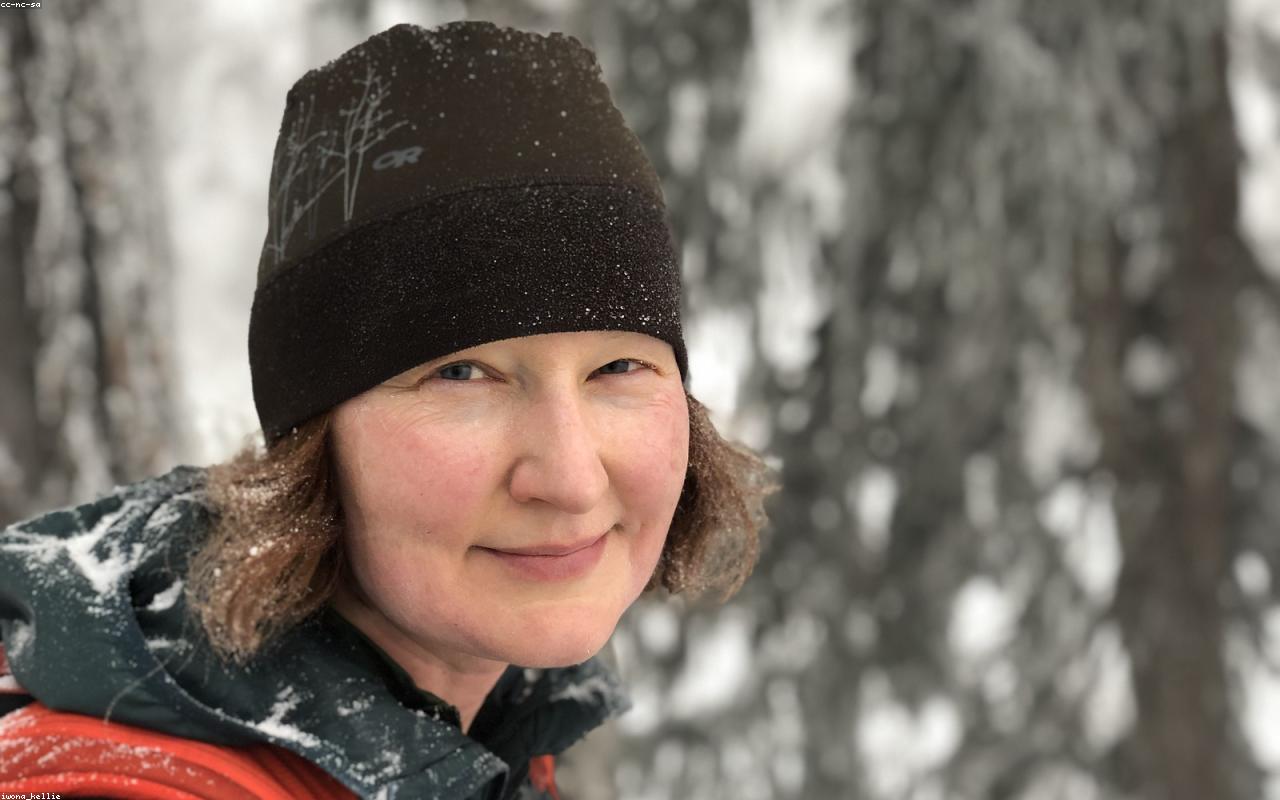
Foss has been watching that sequence in the Northern Rockies for thirty years, twenty-two of them as a backcountry ranger and the rest as a writer of long magazine pieces about animals he no longer chases professionally.
The first stage is fair-weather cumulus. Small, white, well-defined, flat-bottomed, with crisp edges. They form most afternoons in summer and they are not, by themselves, a threat. They are the substrate from which threats grow.
The second stage is cumulus congestus. The flat base remains. The vertical dimension grows beyond the horizontal. The edges begin to lose their sharpness as the cloud's updraft starts to mix with surrounding air. The cloud takes on a cauliflower top, suggesting active convective growth.
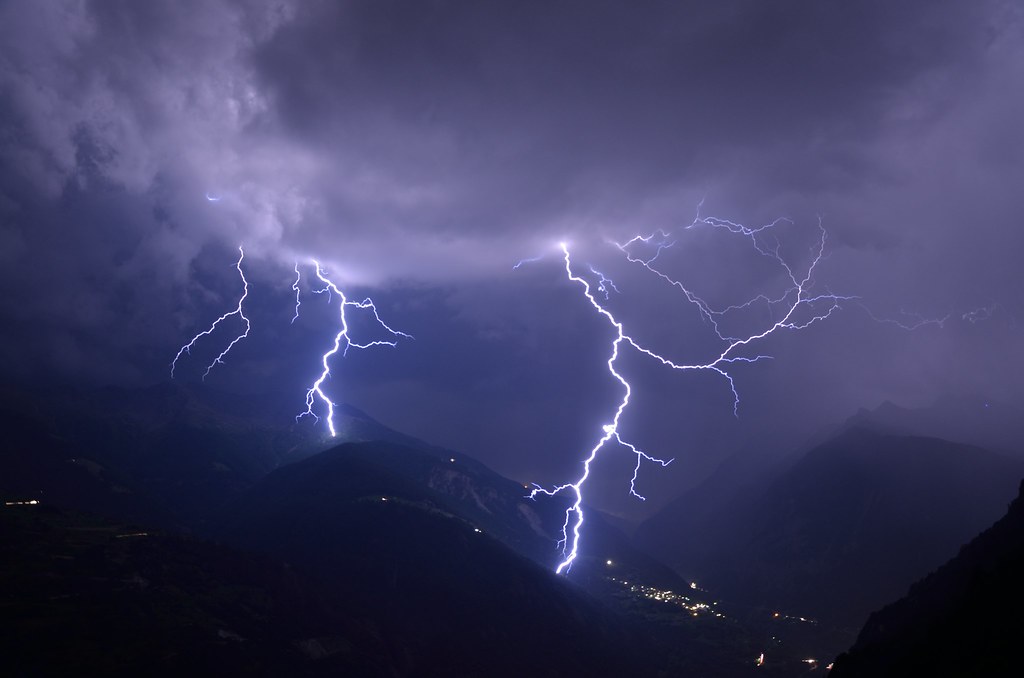
The third stage is cumulonimbus. The top flattens against the tropopause or against a temperature inversion, forming the classic anvil. Precipitation begins. Lightning becomes likely. The cloud is now a thunderstorm, and you do not want to be on a ridgeline when it gets to you.
What Foss saw at three twenty-seven was a cumulus congestus, stage two of three. The cell over Sacajawea was not yet a thunderstorm. It was, perhaps, twenty-five minutes from being one.
He estimated the wind aloft, which is the second variable that matters as much as the cloud stage. The cell was drifting north, toward him, at what he judged to be about fifteen miles per hour.
Twenty-five minutes to thunderstorm. Fifteen miles per hour drift over three miles of ridge. Six minutes of cell travel per mile.
The numbers added up unfavorably. If the cell matured on schedule and continued drifting north, it would be over him roughly thirty minutes before he could reach the safety of the lower forest below the ridge.
He stood up at three twenty-nine and started walking north along the ridge toward the descent route at the col below Hardscrabble Peak.
He walked fast but did not run. Running on a ridgeline in scree is how you break an ankle, which is how a twenty-minute weather problem becomes a six-hour rescue problem.
The cell matured faster than he expected. By three forty-one, glancing back, he could see precipitation reaching the ground south of Sacajawea. By three forty-eight he could hear the first thunder. By three fifty-five the anvil had spread out across the southern sky and the leading edge of the cell was perhaps a mile behind him.
He left the ridge at three fifty-eight at the col, dropped into the scrubby krummholz on the eastern flank, and worked his way down toward treeline.
The first lightning he saw, at four oh four, hit somewhere on the ridge he had just left. He counted three seconds to the thunder. About a kilometre.
He was in dense conifer forest by four oh nine. He stopped under a small group of mid-height spruce of roughly even height, not the tallest tree in the stand and not the shortest, set himself down on his pack to insulate from ground currents, and waited.
The storm passed over him at four sixteen. He counted nine more lightning strikes in the next twelve minutes. The closest was perhaps four hundred metres.
By four thirty the cell had moved on north and the rain had eased to a steady drizzle. By four forty-five the sky to the south was clearing.
He walked the rest of the way to the trailhead in light rain, reached his truck at five twenty, and drove home with the wipers on intermittent.
What he wants people to take from the story, if there is anything to take, is the timing of the decision rather than the timing of the storm. He made the call to descend at three twenty-nine, when the cell was still a cumulus congestus and the sky over his head was clear.
He made the call early because the cloud sequence told him a thunderstorm was coming and the geography told him he could not afford to wait.
Most ridge fatalities in lightning weather, he says, are not failures of luck. They are failures of timing. By the time you can hear the thunder, the decision has already been made for you, and you may not like what it has decided.