The Wind River Range runs about a hundred miles down the western flank of Wyoming. It contains the largest glaciers in the American Rockies south of Canada and forty named peaks above thirteen thousand feet. Its trails are typically free of snow at lake elevations by mid-July. In early June, they are not.
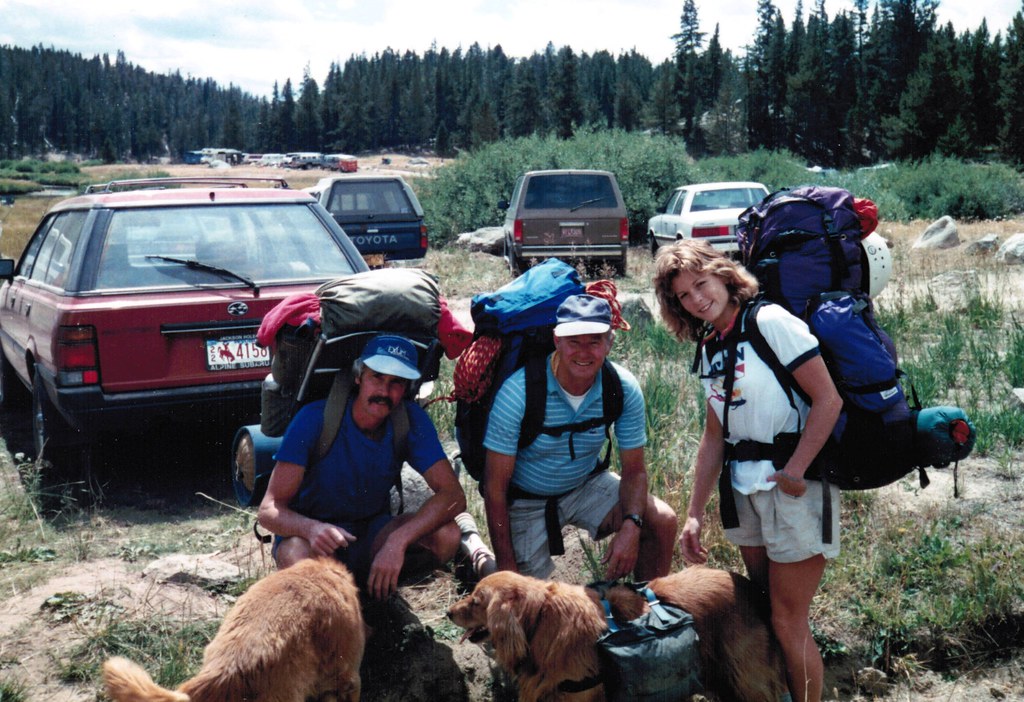
A solo walker named Caroline Mayfield covered a twenty-eight-mile loop out of the Big Sandy trailhead between June 2 and June 4, 2026. The loop took in Big Sandy Lake, the Cirque of the Towers, Texas Pass, the Shadow Lake basin, and a return down the Washakie Creek drainage. She was alone for two of the three days and had the upper basins to herself.
Mayfield is forty-three. She works as a software engineer in Salt Lake City and has been doing solo trips in the Wind Rivers since 2014. She tries to do an early-season trip each year before the official season opens, partly for solitude and partly because she likes the half-frozen condition of the high lakes.
She drove from Salt Lake City on the evening of June 1 and slept in her car at the Big Sandy trailhead. The road in is dirt for the last forty miles and was still soft in places from spring thaw. She had her four-wheel drive engaged for the last fifteen miles.
The trail to Big Sandy Lake is six miles and rises about a thousand feet. She started at 0530. The temperature at the trailhead was minus one Celsius. The trail was dry for the first three miles, intermittent snow for the next two, and continuous snow with occasional bare patches for the final mile.
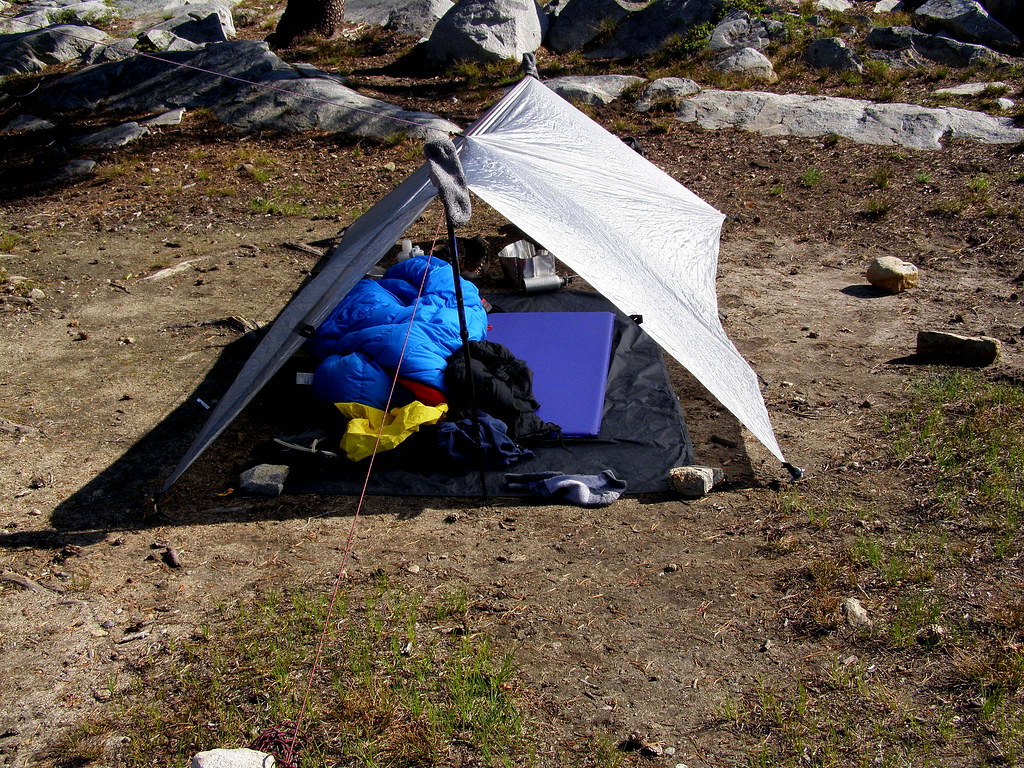
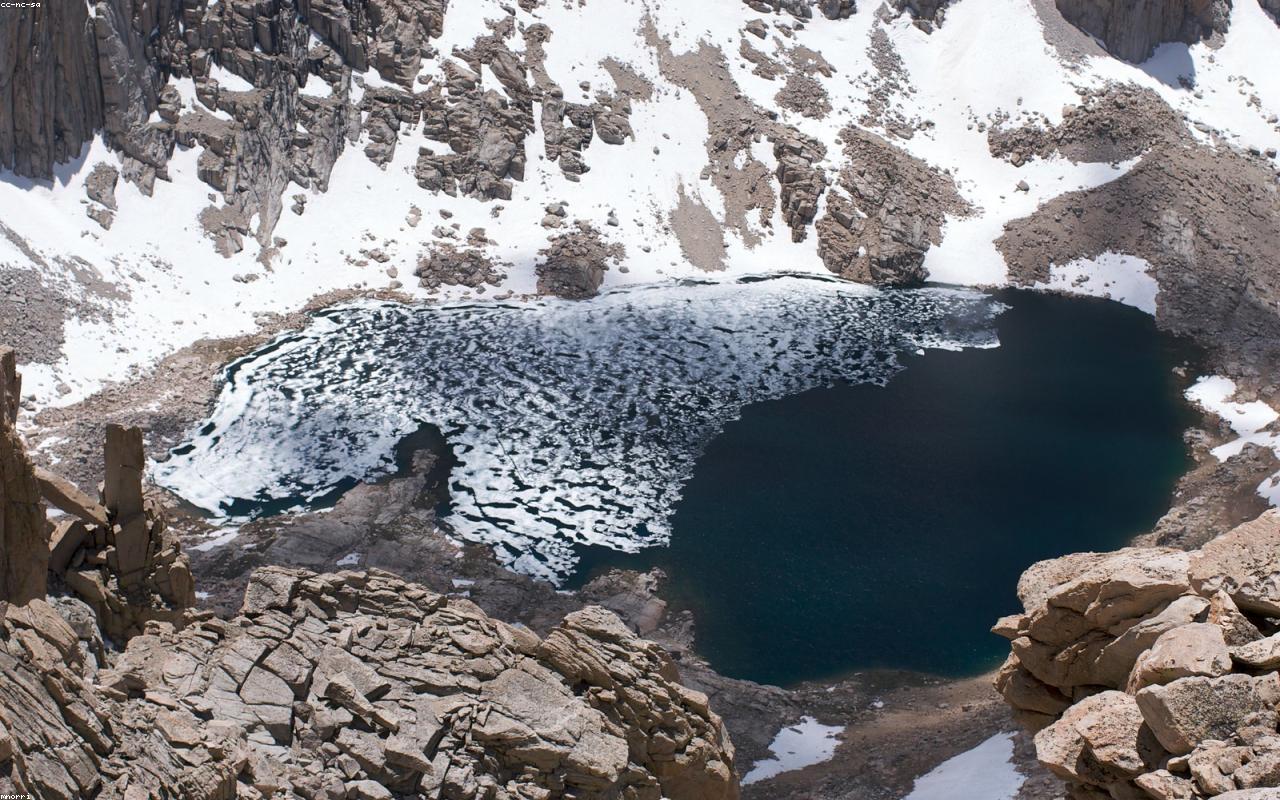
She arrived at Big Sandy Lake at 0930. The lake was about sixty percent frozen, with the ice broken at the inlet and the outlet. The campsite at the south-east shore was bare ground and she pitched her tent there for the first night.
After lunch she walked the four miles up to the Cirque of the Towers and back as a day hike with a light pack. The Cirque is a horseshoe of granite spires, the most famous of which is Pingora, a smooth-walled obelisk that climbers have known about since 1940. In early June the climbers were not yet there.
The route from Big Sandy Lake to the Cirque crosses Jackass Pass, which in June was about half snow. She kicked steps where the snow was firm and post-holed where it was not. The pass took her ninety minutes from camp.
From the top of Jackass Pass the Cirque opened below her. The lake at the centre, Lonesome Lake, was almost entirely frozen. The snow extended unbroken to the base of the spires. She sat at the pass for forty minutes and ate a chocolate bar and looked. She saw no human tracks anywhere in the basin.
She returned to Big Sandy Lake by the same route, arriving at camp at five. She filtered water from the lake outlet, cooked a freeze-dried meal, and was in her sleeping bag by seven-thirty. The temperature overnight dropped to minus four. There was no wind.
On the second morning she packed camp and began the longer day, eleven miles over Texas Pass to Shadow Lake. Texas Pass is at twelve thousand feet and in early June it carries continuous snow on its northern aspect. The southern approach is generally bare by late May.
The climb from the Cirque to Texas Pass took her three hours. The snow on the upper section was firm in the morning shade and she did not need crampons, although she had brought lightweight aluminium ones in her pack. She used an ice axe as a walking stick.
The descent from Texas Pass into the Shadow Lake basin was the technical crux of the route. The northern aspect was snow-loaded and steep for the first three hundred feet. She descended carefully with her axe in self-arrest position, kicking each step. The snow was good. She reached the basin floor at eleven.
Shadow Lake itself was about half ice. The basin was open and quiet. She continued down the trail another four miles and camped at a small unnamed lake at about ten thousand feet, where the ground was bare and the water was open.
On the second evening she saw the day's first humans, two backcountry skiers descending from Texas Pass on the opposite side. They waved across the basin. They did not stop.
On the third day she walked out eleven miles by the Washakie Creek trail and the Big Sandy trail to her truck. The Washakie Creek descent was muddy in the lower sections, where the snowmelt was running hard. Two trail bridges had been damaged by spring runoff and she crossed on logs.
She reached the trailhead at two in the afternoon. Hers was the only vehicle at the upper trailhead and one of three at the lower. She drove out the long dirt road slowly. She was in Pinedale by five and home in Salt Lake by ten that night.
Her notes from the trip ran to four pages of waterproof paper. They include water-source observations, snow-condition notes by elevation, and a list of three campsites she considered superior to the ones she had used.
She intends to return in mid-September. The Cirque, she said, is best in late summer when the granite is warm and the climbers' fires are out. In early June it is something else. She prefers the something else.