At 6:08 on the morning of May 28, on a gravel bar of the upper Trinity River three miles below the town of Junction City, California, a North American river otter rolled onto its back, ate a Sacramento sucker tail-first, and watched four humans watch it through binoculars from the far bank.
The four humans were a volunteer crew of the River Otter Ecology Project's northern California chapter. They were here for the twelfth consecutive monthly survey of a fourteen-mile reach of the Trinity that has, since 2019, produced a slow but steady increase in otter sightings.
River otters, Lontra canadensis, were largely absent from many California rivers by the 1970s, the casualty of unregulated trapping, water pollution, and the broad-scale loss of riparian cover. They began returning to the state's interior watersheds in the 1990s. By 2010 they were confirmed on the lower Trinity. By 2020 they had moved upstream past Lewiston Dam.
The crew that morning was led by a retired chemistry teacher named Mae Furukawa, sixty-eight, who had run the Trinity surveys since the project's expansion north in 2022.
Furukawa knew this otter. She had seen her, she believed, at least nine times in the past eighteen months. The otter was a small adult female with a distinctive lighter patch on her left shoulder.
The protocol the crew used was the project's standard. Observers position themselves on a high bank with clear river visibility, ideally between dawn and 9 a.m. or after 5 p.m., when otter activity is highest. They log all detections, sketch identifying marks if visible, and record any scat or fresh sign found within the survey reach.
Otter scat, called spraint by some surveyors and the more direct word by others, is one of the more useful pieces of evidence the crew collects. It is left in conspicuous places, on prominent rocks and log ends, as a territorial and communication signal. It contains fish scales, crayfish exoskeleton fragments, and the occasional bird feather, and it dries to a distinctive dark green-black with a smell that, once known, is not forgotten.
Furukawa carried a small jar of isopropyl alcohol for collecting fresh samples. The samples, when collected, go to a genetics lab at Humboldt State University, which has been building a regional otter pedigree from non-invasive sources since 2018.
The morning's first sample came from the upstream end of the gravel bar. It was less than twelve hours old. Furukawa noted the location on a printed map, dropped the sample into the jar, and labeled the jar with a code: TR-28-05-A.
The otter on the bar, meanwhile, finished the sucker and entered the water. She swam slowly across the run to the near bank, climbed onto a log, and shook herself dry. She remained visible for another four minutes before disappearing into a wall of willow.
The other crew members, a software engineer named Yusef Ardalani and his teenage son Cyrus, age fifteen, had not seen an otter in the wild before that morning. Both watched with the slightly stunned attention of people who had not expected the animal to be so casual about being observed.
Cyrus took notes, at his father's quiet suggestion. He wrote, in a school-issued composition book: "06:12. Otter on log. Looking right at us. Doesn't seem to care."
Furukawa let him keep his own count for the morning. By the time the crew reached the second survey point at 8:30, Cyrus had logged three more otter sightings, two of which Furukawa believed were the same animal moving downstream, and one of which appeared to be a different individual, larger and darker, glimpsed briefly at a logjam.
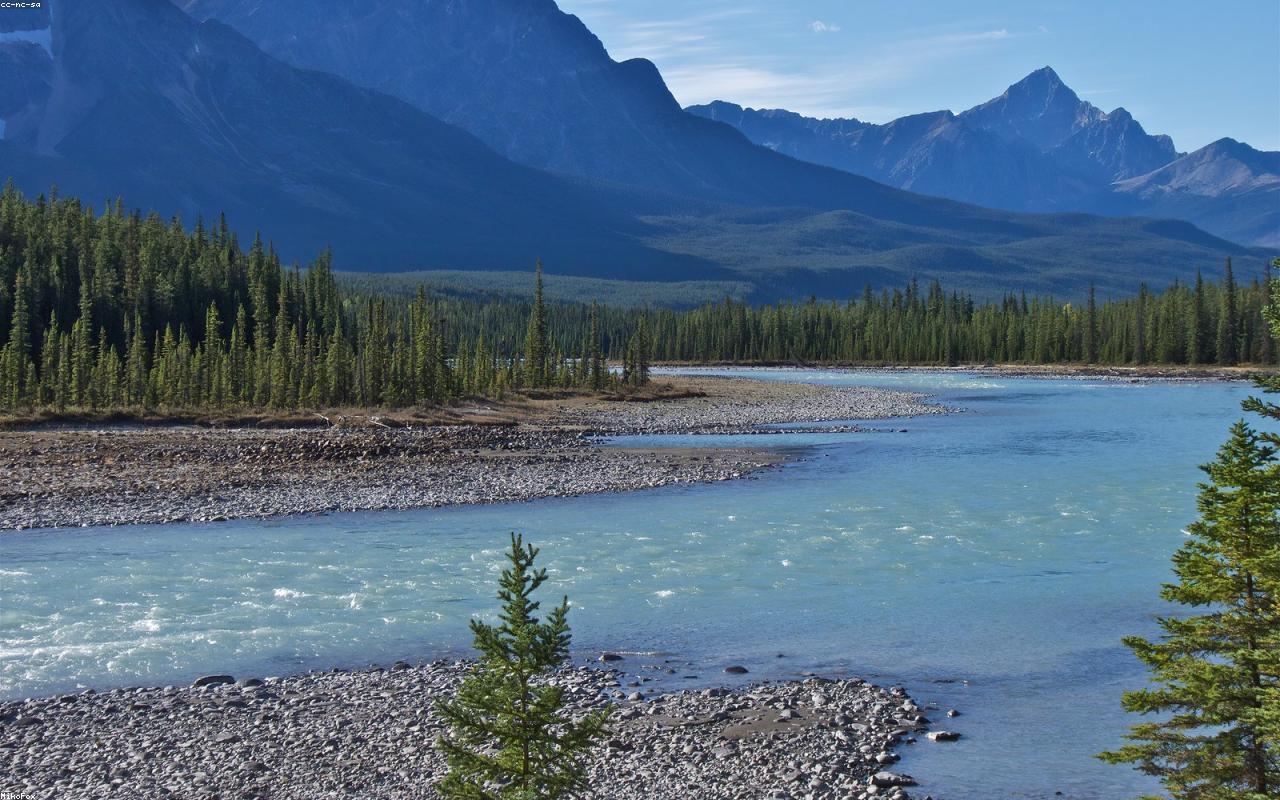
The Trinity reach the crew was surveying has changed over the survey period. The river itself is in slow recovery from the long aftermath of nineteenth-century hydraulic mining, which moved enormous volumes of sediment and reshaped the channel through this entire section. Riparian vegetation, particularly willow and alder, has returned across most of the gravel bars in the past three decades.
What the willows and the alders provide, beyond bank stability, is the dense cover that otters require for daytime resting and for the kind of denning that produces successful pups.
Furukawa has documented two probable den sites in the survey reach since 2023. Both are in undercut banks behind tangles of willow root. Neither has produced visible pups, but the scat at both sites includes the smaller, looser pellets that the project associates with pups under three months.
She is cautious about her language. She has been told, by professional biologists who have visited the project, that confirming reproduction without a camera or a captured animal is a difficult standard.
"What I can say," she told Cyrus, who had asked, "is that there are otters using this river, and there are getting to be more of them, and there is good reason to think some of them are being born here. That is enough for me to keep coming back."
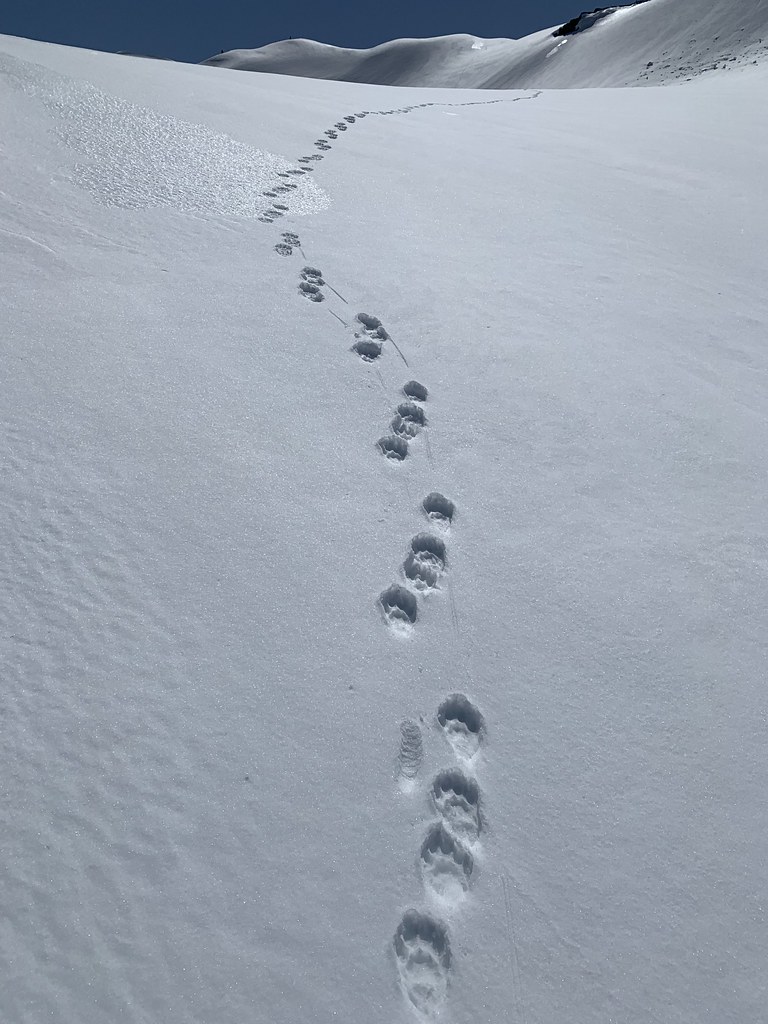
The crew finished the survey at 11:14 a.m. Total detections: six confirmed otter sightings, four scat collections, two fresh slides on muddy banks, and one set of tracks on a sandbar a quarter mile downstream of the gravel bar.
The data went into a shared spreadsheet that evening, on the project's small Google account, alongside survey data from twenty-three other volunteer-monitored reaches in five states.
Cyrus, on the drive back to the trailhead, asked his father whether he could come again next month. Furukawa heard the question from the back seat. She did not turn around, but she smiled, because that was, more or less, the answer the project needed.