On the second Tuesday in May, Damascus, Virginia is full of people who have walked here from Georgia. The Appalachian Trail runs down Laurel Avenue, crosses Beaverdam Creek on a low bridge, and continues past the Methodist church without ceremony. The white blazes are painted on telephone poles. A man named Curt, from outside Cincinnati, sits on the porch of the hostel called The Place and removes his socks with the slow attention of someone who has not been allowed to think about his feet for several days.
He is six weeks in. His trail name is Boxcar, which he says came from a New Jersey hiker named Squirrel who watched him sleep through an afternoon thunderstorm sitting upright against a tree.
Damascus calls itself Trail Town USA, and the title is honest. The town of about eight hundred sits where the AT meets the Virginia Creeper Trail, the Iron Mountain Trail, and the Trans-America Bicycle Route. In any given week of April or May the population on the sidewalk doubles. By late June it thins again, as the through-walkers move north toward Pearisburg.
The hostels open in mid-March. Crazy Larry's, Woodchuck, The Place, Hikers Inn. Most charge between twenty and thirty-five dollars a night and most do not have wifi by design. A laundry costs five dollars. A shower, if the hostel and the bunk are separate transactions, costs three.
What a rest day actually contains, in Damascus or anywhere, is not rest. A rest day is a chore day with a comfortable bed at the end of it. There is laundry. There is the resupply at the Food City a mile out of town. There is the shoe question, which by week six has usually become urgent. There is, often, a visit to the post office to pick up a mail-drop or to send home a stove that the walker has decided not to carry any further.
Boxcar's chores on this Tuesday are typical. Wash everything. Eat a hot breakfast at MoJo's, which opens at seven. Walk to the outfitter, Mount Rogers Outfitters, and ask the woman behind the counter, who has worked there for nineteen years, whether his Altra Lone Peaks can survive Roan Highlands. She tells him no. He buys a new pair, the same model, half a size larger.
He returns to the hostel and lies on his bunk and reads a paperback he found in the hostel's free-book box, a 1987 mystery by Tony Hillerman with a coffee stain on page forty-one. He reads four chapters. Then he sleeps for two hours in the middle of the day, which he has not done since adolescence.
At three he walks to the laundromat, which is also the gas station, and meets a couple from Maine called Sundial and Half-Pint. They are slower than he is. They left Springer on March 1 and have been on trail nine weeks. They are not in a hurry. They will be in Maine, they think, by mid-October.
Half-Pint says the hardest thing about a rest day is the second one. She has known thru-hikers who took two zero days in Damascus and never started walking again. She herself takes one zero a week, regular as Sunday, and considers it a discipline rather than a reward.
The trail registers in the hostels are a particular kind of literature. They are kept in three-ring binders or composition notebooks behind the front desk and they are read in the evenings by the walkers themselves. The entries are short. Knee holding up. Slow day. Big lunch in Hot Springs. The trail names appear and reappear, hundreds of miles apart, and the slow walkers track the fast ones the way a sailor tracks weather.
Damascus's annual gathering, Trail Days, will arrive the following weekend, and the town will fill with twenty thousand people, most of them not hikers. The thru-hikers tend to be ambivalent about the festival. Some hitchhike back from a hundred miles north to attend. Others quietly leave town the day before it starts.
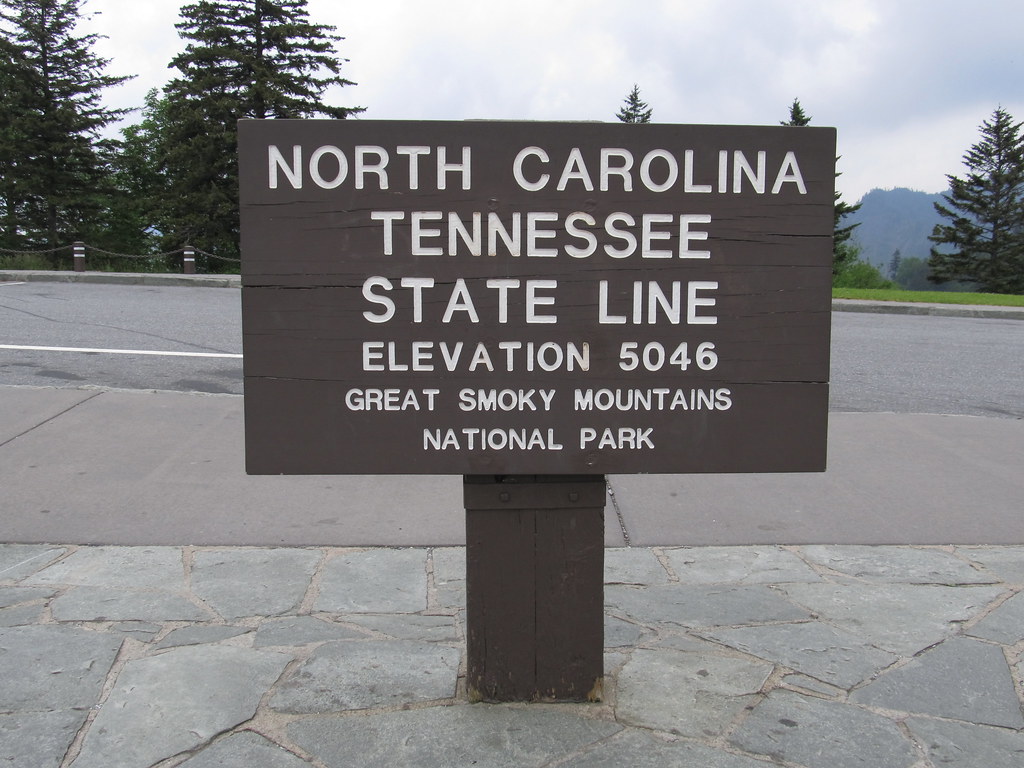
In May 2026 the weather has been kind. The walkers coming into town are not as ragged as they often are. The Smokies were dry through April. Roan was cool but clear. There has been one big thunderstorm, on the night of May 4, which several hikers describe as the loudest sound they have ever been near.
The Methodist church on Laurel Avenue has a sign that reads Hikers Welcome. Showers. Coffee. Charging. The sign has been there since 2003, the pastor says. He estimates the church has hosted about thirty thousand hikers in that time. He does not know whether this counts as ministry or hospitality. He says it does not seem to matter which.
Boxcar has dinner at the pizza place on Front Street with three walkers he met the night before. They order two large pies and four sodas and the bill is forty-seven dollars before tip. They talk about Damascus. They talk about Erwin, the next town. They talk about feet. They do not, mostly, talk about home.
There is a particular silence in a hostel after the lights go out. The bunks creak. Someone is snoring quietly two beds over. A train passes on the line outside town and the floor vibrates faintly. Boxcar lies in his bunk in his clean clothes and stares at the ceiling and thinks about whether he will get up at five or at six. He gets up at six.
He walks to the bakery, which opens at six-thirty, and buys two breakfast sandwiches and a coffee. He walks back to the hostel, packs his pack, signs the register, and walks down Laurel Avenue past the Methodist church and onto the bridge over Beaverdam Creek.
He follows the white blazes north out of town. By mid-morning he is back in the woods. The town is two miles behind him and then it is six, and then it is no longer something he can think about, only a place where he washed his clothes once.