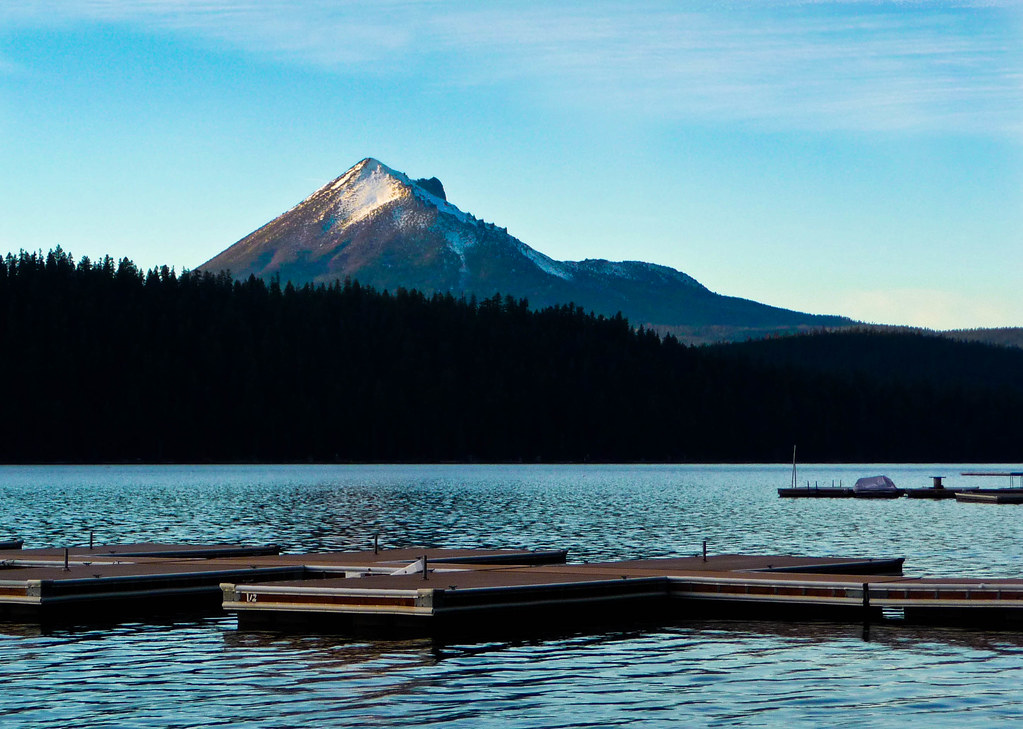
Image Lake sits in a high cirque on Plummer Mountain in the Glacier Peak Wilderness, at an elevation of 6,050 feet, with a sustained view across the Suiattle River drainage to Glacier Peak itself, eight miles southwest.
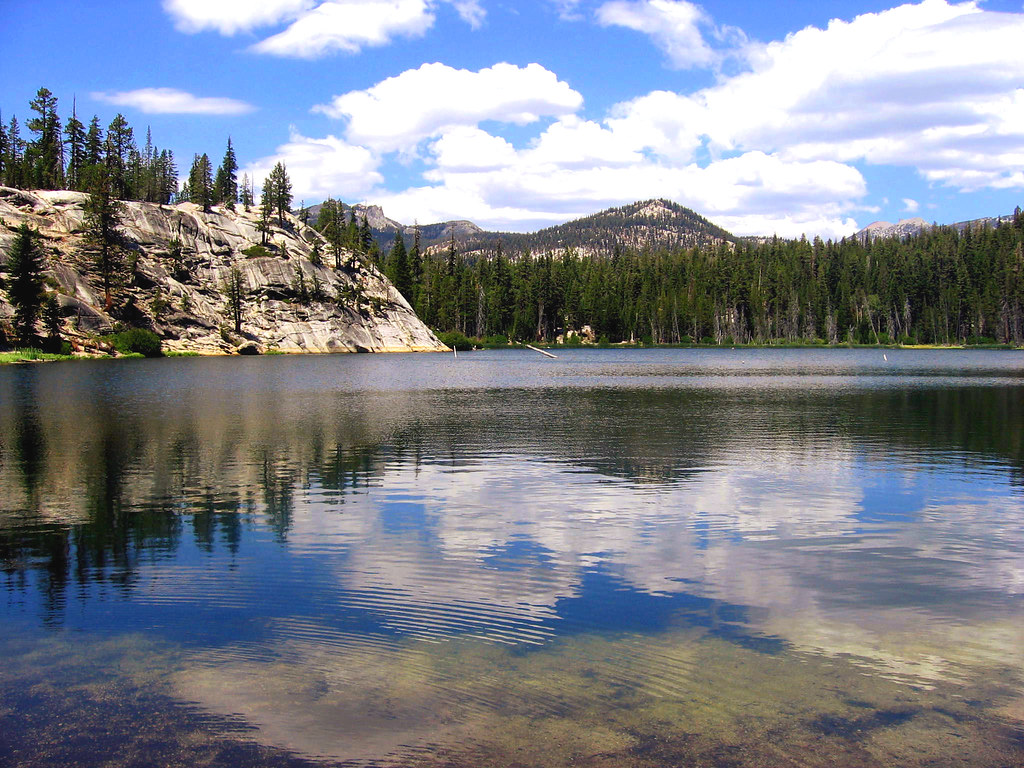
On a still morning, before the first thermal stirs, the lake holds the reflection of the mountain so completely that the photograph of the place — the one taken by Charles Hessey in 1957 that helped block the proposed Kennecott open-pit copper mine on this ridge — looks computer-generated to people seeing it for the first time.
It is not. It is the lake, on a still morning.
Wendell Foss arrived at the lake on the evening of June 2, 2026, having walked sixteen miles from the Suiattle River Road trailhead in a single day, the last four of them climbing the Miners Ridge switchbacks in light rain. He was the only person at the lake. There is no camping permitted within four hundred feet of the shore. He pitched at the designated site half a mile back on the ridge, ate a cold dinner because he had forgotten his stove fuel canister, and went to bed at 8:40 p.m.
He woke at 4:58 a.m. by his watch alarm and walked the half-mile to the lake in the dark with a headlamp on its lowest setting.
The temperature at 5:10 a.m., by his small Brunton thermometer, was 36 degrees Fahrenheit. There was no wind. The lake was glass.
Glacier Peak in the predawn was a black cone against a sky that was the color of polished steel along its eastern edge and still dark blue overhead. The mountain has nine glaciers on its visible face, the largest of which, the Cool Glacier, has retreated approximately a third of a mile since 1958.
Wendell sat on the rock above the lake's eastern shore and waited.
At 5:32 a.m. the first direct sunlight touched the summit cone of Glacier Peak. The light was pink, the pink of a salmon's belly, and it descended the mountain at a measurable rate, perhaps a hundred vertical feet a minute, while the lake below remained in shadow.
At 5:42 a.m. the reflection of the lit summit appeared in the lake. Wendell took two photographs with a small film camera, advanced the film, and put the camera away. He says he has learned, after thirty years of these mornings, that the photographs do not capture what is actually present, and he prefers not to clutter the moment trying.
He had brought a small notebook. He wrote three lines.
5:42. Glacier on the water. No wind. A varied thrush calling somewhere in the trees behind me.
The varied thrush is a high-elevation cousin of the robin, slate-blue with an orange breast band, and its song is a single descending whistled note that it repeats at different pitches with long pauses between. It is one of the most distinctive sounds of the Pacific Northwest mountains. Wendell heard it three times during the dawn and noted each in his book.
By 6:15 a.m. the direct sun had reached the lake's surface. The reflection broke up almost immediately as the air warmed and the first thermal of the day stirred the water. Within ten minutes the surface was no longer glass but a softly textured mirror in which the mountain still appeared but somewhat blurred, an Impressionist version of the earlier image.
Wendell walked back to his tent and made coffee with the cold-soak method, which is bad coffee but is coffee.
He spent the rest of the morning on the ridge. He counted four hoary marmots in the talus below the trail, all of them sunning on rocks, none of them whistling. He watched a single golden eagle circling above the Suiattle drainage for what he estimates was forty-five minutes, neither flapping nor descending.
At 10:30 he walked the half mile back to the lake. The light was harsh by then, the surface ruffled by a steady west wind, and the magic of the dawn was gone. Two other parties of backpackers had arrived during the morning. They were friendly. They had also come for the reflection.
They had missed it by four hours.
Wendell did not tell them. He thinks people should be allowed to discover for themselves that the photograph in the guidebook was taken at 5:42 a.m. on a windless morning in early June, and that getting there requires being there.
He walked out the next day. The round trip from the road, he wrote in his notebook on the long descent, is about thirty-two miles depending on which route you take. The reflection lasts roughly ten minutes per dawn, conditions permitting, perhaps thirty mornings per summer.
Three hundred minutes a year. The math, he wrote, is favorable. You only need one of them.